In Greek mythology a chimera is an animal that is part lion
and part goat. Myth has other hybrids too, think of centaurs, both horse and
man share the same DNA. Well, it appears that once again myth is a sign post to
a larger truth.
An article in last year’s Scientific American (I know, I
know, I’m behind on my reading) explains how cells from a fetus can cross from
the placenta into the mother. And those
cells remain in the mother, becoming part of her DNA, for the rest of her life.
Apparently this is true even for babies who die before birth. The mother still
carries part of them.
So what does this have to do with writing, you ask? I’ve
been thinking about our literary DNA and the way we carry the many parts of
past inside us. Everyone does. But for
writers, their pasts become part of their literary DNA expressed in the themes
and voice of their works.
Hopefully writers don't write about the same event over and
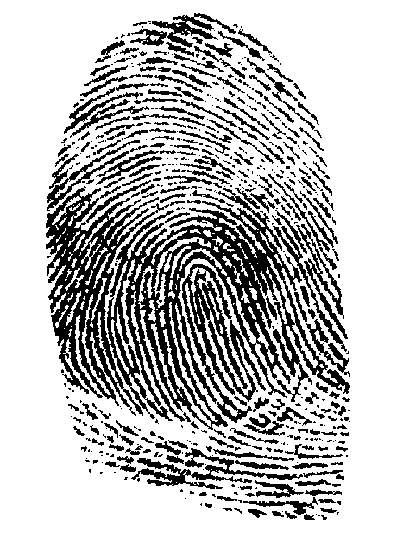
over. It’s usually much more subtle. Events leave fingerprints. And those fingerprints are left on the stories
we write. Think about themes: redemption, abandonment, the fragility of hope, how
to save a life. While characters and events change in each story, familiar themes run through them
like DNA. Why? Because they are drawn
from the same deep well.
Here’s an interesting fact about fetal cells found in the
mother. They can be healing. They can actively fight off disease. I write to
tell a story, but also to explore and wrestle with questions that I don’t have
answers for. I tackle those questions over and over. And in the writing I have glimpses
of truth, and I make connections and, at the best times, it is healing.